

Now that the glitter has settled on The Life of a Showgirl’s release, and I’ve spent enough time on Reddit fan forums and the comments section of Instagram to feel that I’ve gained both a comprehensive overview of audience reactions and a deep, visceral need to go outside and touch some grass, I wanted to… Continue reading Is it ‘Actually Romantic’ to renounce one’s feminism?
Tag: misogyny
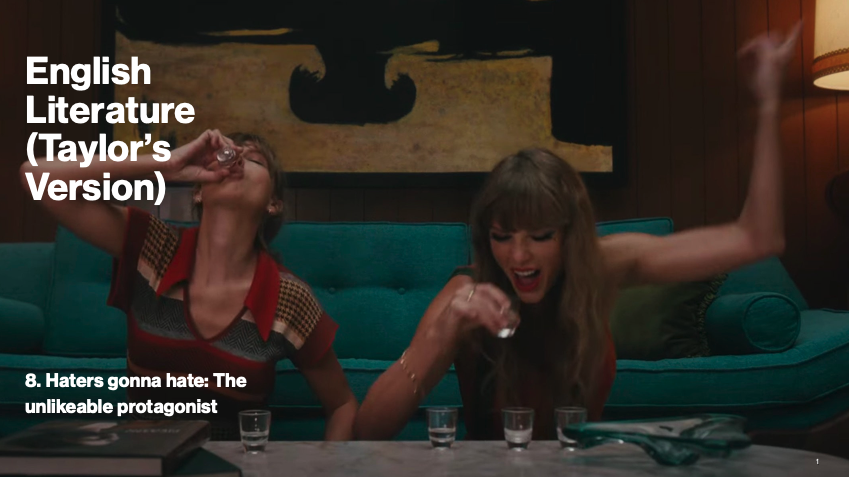
English Literature (Taylor’s Version): Seminar 8
In Seminar 8 of English Literature (Taylor's Version), titled 'Haters Gonna Hate: The Unlikeable Protagonist', we looked at the antihero, or deliberately unlikeable protagonist, in literature and culture. We tried to answer the question: what does it mean for Swift to self-identify as an antihero, in the twenty-first century? In order to do this, we looked at groundbreaking incarnations of the antihero in William Makepeace Thackeray’s Vanity Fair (1848) - subtitled 'A novel without a hero' - and Charlotte Bronte’s Villette (1853). [Click above image to read more]
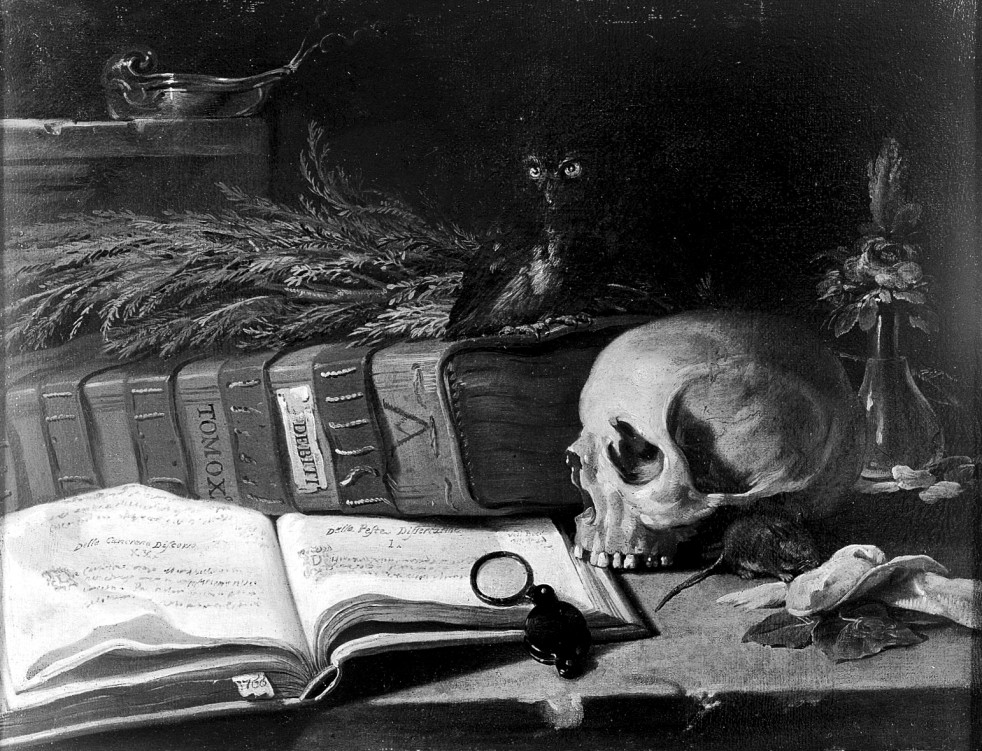
Baited hooks and silly books: why Taylor Swift is the new Gothic novel
‘Too many young women yearn for annihilation’, reads the clickbaity subtitle of Mary Harrington’s article ‘The Dark Truth about Taylor Swift’. Published on 16 August 2023, Harrington’s piece observes a troubling tendency in young women towards ‘a craving for romantic transcendence that’s difficult to distinguish from self-destruction’: in other words, an obsession with, and yearning for, love affairs made all the more intense by the knowledge that they are doomed to failure (such as Jack and Rose from Titanic, or Romeo and Juliet). Harrington attributes some of Swift’s popularity to the fact that her oeuvre satisfies this desire: her best songs are about romantic liaisons that don’t end well (‘got a history of stories ending sadly’). Harrington then goes on to link this to thirteenth-century France and the massacre of the Cathar sect of Christianity, who saw our incarnated world as fundamentally evil and longed to escape the ‘prison’ of flesh to return to unity with God. Following their persecution during the Albigensian Crusade, the Cathars’ beliefs went underground and spawned what we now know as ‘courtly love’ literature.
 Swifterature