

In Seminar 4 of English Literature (Taylor's Version), we looked at the relationship between writing, gender and power, asking what Taylor Swift can teach us about literary feminism. We listened to 'Right Where You Left Me', 'Dear John', 'Mad Woman', 'Hits Different' and 'The Man', asking: What construction(s) of femininity do we see in the song? What is the relationship between writing and power? Are there any literary allusions? Is this a 'feminist' song? if so, why? If not, why not? We used this discussion - also bringing in Swift's re-recording of her masters, seen by many as a feminist act - to segue into two important feminist literary texts: Mary Wollstonecraft's 'Vindication of the Rights of Woman' (1792) and Charlotte Perkins Gilman's The Yellow Wallpaper (1892). [Click above image to read more]
Tag: literature
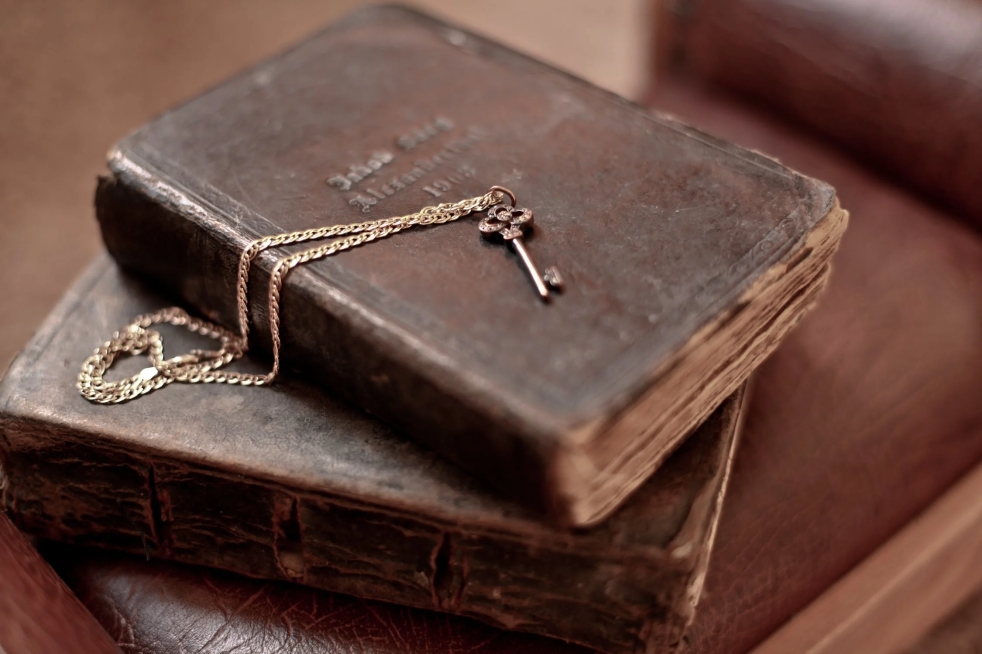
I Don’t Like Your Kingdom Keys: Literature, Gatekeeping, and the Classroom as Kindergarten
Well, this escalated. One minute I’m typing idle thoughts into a sticky note on my laptop about all the ways in which we might connect Taylor Swift songs with literature (and positing frivolous titles for such a course, like ‘Now I’ve Read All of the Books Beside Your Bed’); the next, I’m setting alarms for 3.30, 4.30, 5.30 and 7am so I can talk about this initiative to Dubai, Germany, Austria, Belgium, the US and Ireland, or rushing around trying to find a quiet corner in the middle of an American university campus where I can chat live to BBC News. Following segments on the Ukraine war and the Iran hijab protests with my chirpy musings on Swift (not Jonathan) and literature is one of the more surreal things I’ve done in my career.
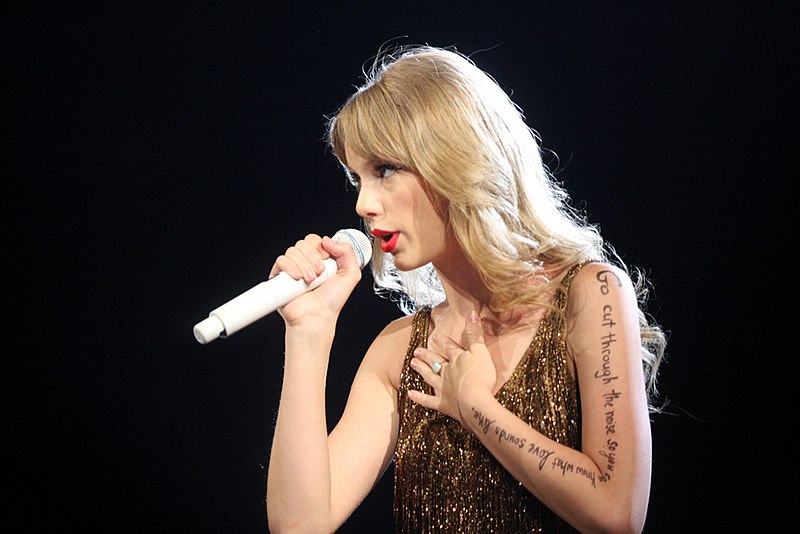
What is Swifterature?
Lately, my inbox is strewn (between the cute animal videos and instagrammable recipe content) with links sent by friends and colleagues to articles with titles such as ‘20 Taylor Swift songs with literary references you may have missed’ and ‘Taylor Swift’s songs are full of literary references - so what do they tell us?’ Since the 2020 release of Swift’s interlinked albums Folkore and Evermore, which she herself declared the product of being unable to stop telling stories as her imagination ran wild during lockdown, increasing interest has been paid to Swift as a self-consciously literary artist, whose works brim with references to everything from Alice in Wonderland to The Great Gatsby. Leading Shakespeare professor Jonathan Bate recently advocated for Taylor Swift as a ‘literary giant’ in The Sydney Morning Herald, the subtitle of his article declaring that he would ‘compare her (favourably) to the greats of poetry and prose’. Having long sent her eagle-eyed fans hunting for the famous ‘easter eggs’ with which she mischievously peppers her lyrics and videos, Swift’s work now seems to invite us on a quest to identify and collect her numerous literary allusions. Everyone from the Swiftie community on Reddit to English literature professors have eagerly risen to the challenge.
 Swifterature