

You can find countless articles online – and a few books by now, too – listing all the literary allusions in Taylor Swift’s work, many of which I've also documented on this blog. Beyond suggesting that Swift is familiar with some English literary classics, though, these lists don’t really tell us much at all. When… Continue reading Swifterature: the book. Coming 4 November
Tag: books

A preview of my new book
I'm so excited to share some content from my new book, Stars Around My Scars: The Annotated Poetry of Taylor Swift, out tomorrow (28 January)! If you haven't yet ordered a copy, I'm hoping this will convince you to do so! For each of the 46 songs included in the book (you can find my… Continue reading A preview of my new book
The Taylor Seminars: ‘Chloe or Sam or Sophia or Marcus’
This week, I joined Hannah Chao and Exquisite Williams on their fantastic podcast, The Taylor Seminars. Each week, Hannah and Exquisite do a deep dive into a Taylor track, looking at the lyrics in forensic detail. Since I also run Taylor seminars, of a slightly different sort, this was a perfect match! Hannah and Exquisite… Continue reading The Taylor Seminars: ‘Chloe or Sam or Sophia or Marcus’
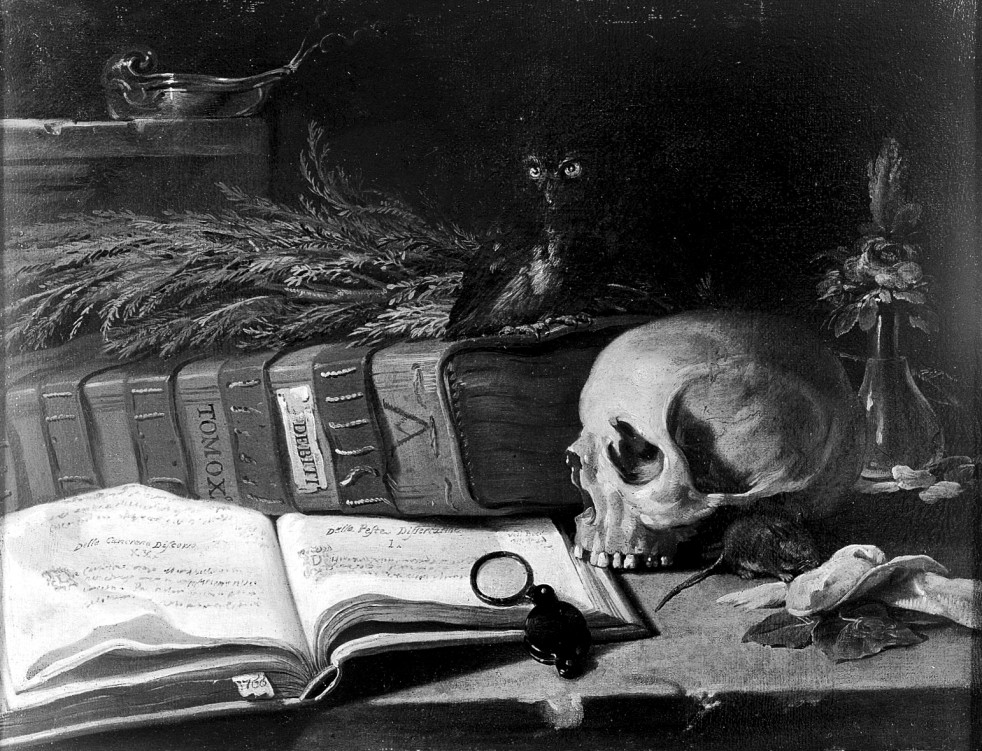
Baited hooks and silly books: why Taylor Swift is the new Gothic novel
‘Too many young women yearn for annihilation’, reads the clickbaity subtitle of Mary Harrington’s article ‘The Dark Truth about Taylor Swift’. Published on 16 August 2023, Harrington’s piece observes a troubling tendency in young women towards ‘a craving for romantic transcendence that’s difficult to distinguish from self-destruction’: in other words, an obsession with, and yearning for, love affairs made all the more intense by the knowledge that they are doomed to failure (such as Jack and Rose from Titanic, or Romeo and Juliet). Harrington attributes some of Swift’s popularity to the fact that her oeuvre satisfies this desire: her best songs are about romantic liaisons that don’t end well (‘got a history of stories ending sadly’). Harrington then goes on to link this to thirteenth-century France and the massacre of the Cathar sect of Christianity, who saw our incarnated world as fundamentally evil and longed to escape the ‘prison’ of flesh to return to unity with God. Following their persecution during the Albigensian Crusade, the Cathars’ beliefs went underground and spawned what we now know as ‘courtly love’ literature.
 Swifterature